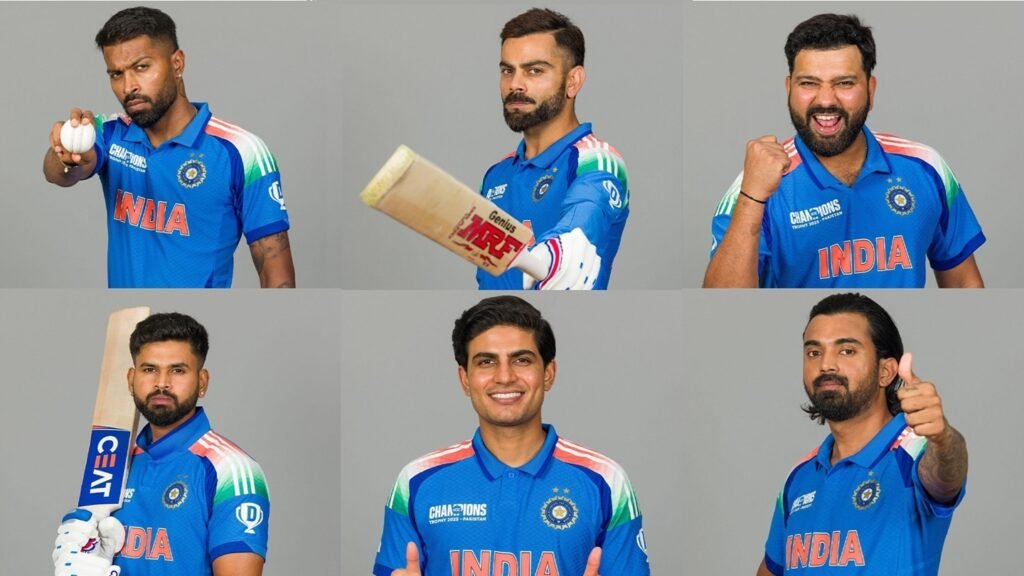

Cricket has always been about numbers, ti-ming, and discipline. But if you look closely at today’s game — from IPL franchises to weekend local leagues — something else has become just as important as batting averages and bowling economy rates: identity.
Not long ago, a cricket team was known mainly by its players. Now, it’s recognized by its colors, visual style, social media presence, and how fans emotionally connect to it. Whether it’s a professional franchise or a college team, presentation has quietly become part of performance. The way a team looks influences how seriously opponents take them, how sponsors approach them, and how supporters rally behind them.
In fact, many amateur teams today start building their presence before they even play their first tournament. Tools like an AI logo generator have made it surprisingly easy for teams to create professional-looking identities without hiring expensive designers. And that small step often changes how players themselves feel about representing their side.
The Psychology Behind a Team Logo
Ask any cricketer about their first match wearing official team jerseys. The answer is almost always the same — it felt different.
Uniforms and logos aren’t decoration. They shape mindset.
When players walk onto the ground wearing a proper crest instead of a generic T-shirt, they subconsciously perform with more discipline. Coaches notice improved punctuality. Captains see better communication. Even practice sessions become structured.
Why? Because branding creates accountability.
A team with a recognizable identity doesn’t feel temporary anymore. It feels like something worth representing.
That’s exactly why professional cricket has invested heavily in visual branding over the last decade. Teams no longer just release kits — they launch them like movie trailers. Supporters don’t just support players — they support a symbol.
Local Cricket Is Changing Fast
Street cricket used to be spontaneous: show up, divide sides, play.
Now even local leagues operate differently. WhatsApp groups have fixtures, Instagram pages post highlights, and teams track stats across seasons. Many communities run annual tournaments where squads stay consistent year after year.
And once continuity exists, identity naturally follows.
A Hyderabad neighborhood league I spoke to recently shared an interesting observation: after teams introduced logos and consistent jerseys, match disputes dropped by nearly half. Players argued less because they felt responsible for a long-term reputation rather than a one-day result.
Branding didn’t just make the league look organized — it made behavior more professional.
Sponsors Don’t Fund Players — They Fund Stories
Small businesses rarely sponsor individual cricketers. They sponsor teams that feel established.
Why? Because a recognizable team offers visibility beyond one match. Photos circulate online. Highlights get shared. Local audiences remember the name.
A clean logo on a jersey works like a traveling advertisement. Every boundary replay becomes promotion. Every tournament appearance becomes exposure.
This is exactly why even grassroots teams now approach tournaments with media plans: post-match interviews, score graphics, and match posters.
Once a team looks structured, sponsorship conversations become easier. Businesses prefer associating with credibility rather than randomness.
Social Media Changed Cricket Culture
Ten years ago, cricket memories lived in conversations. Today, they live forever online.
Clubs now archive:
- Player milestones
- Match-winning spells
- Debut matches
- Rivalries
- Tournament journeys
Without visual identity, those memories feel disconnected. With one, they become chapters of a story.
Supporters start recognizing patterns. Opponents start studying teams seriously. Players develop loyalty beyond individual friendships.
In other words, branding transformed cricket from a game you play… into something you belong to.
Even Performance Improves
It sounds surprising, but structured teams often outperform equally skilled casual teams.
Because clarity removes confusion.
When a side has defined roles — captain, vice-captain, opener, finisher — players stop overlapping responsibilities. Add identity on top, and motivation increases. Nobody wants to underperform while representing something permanent.
Sports psychologists call this “collective ownership.”
The stronger the shared symbol, the stronger the shared accountability.
That’s why franchise cricket places huge emphasis on culture building. Logos and colors aren’t marketing — they are behavioral tools.
A New Era of Cricket Communities
Cricket is no longer limited to stadiums. It thrives in residential societies, office leagues, university tournaments, and corporate cups.
And interestingly, the fastest-growing cricket communities aren’t the most talented ones — they’re the most organized ones.
They schedule seasons.
They track stats.
They publish standings.
They maintain identity.
Because people return not only for competition but for belonging.
Once players feel part of a continuing story, they don’t skip matches easily. Attendance improves. Rivalries grow. Tournaments become traditions.
Conclusion
Cricket will always be decided by skill — a late cut, a perfect yorker, a smart field placement. But what keeps teams alive season after season isn’t just talent. It’s continuity.
Modern cricket culture is evolving from casual participation to shared identity. Teams that embrace structure, presentation, and long-term vision naturally build stronger communities around them. They attract players who stay longer, supporters who care deeper, and opportunities that extend beyond the pitch.
In the end, a team is remembered not only for the matches it wins, but for the story it creates. And today, that story begins long before the toss — it begins with how the team chooses to represent itself.