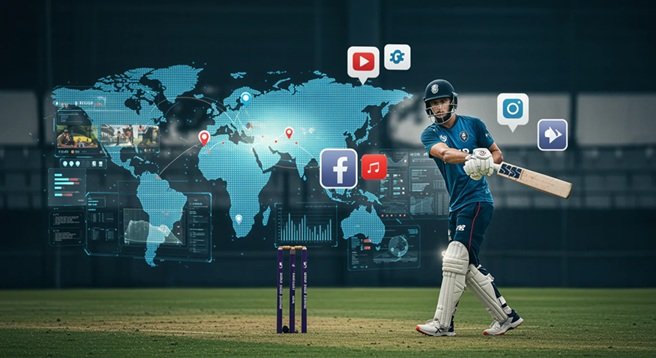

Cricket, a game that used to be defined by its distinct formats and local loyalties, is in the throes of deep mutation. The global economy of fandom — which has been driven in large part by access to the internet and a changing world for entertainment consumption — is resoldering how the sport reaches them. What was once a laid-back, session-based proposition has become a breakneck, multi-platform spectacle powered by accessibility, interactivity and data.
The crux of the issue is a simple fact: Modern cricket fans are not passive consumers any more. They are active participants in a thriving ecosystem that blends sport, entertainment and technology.
From Linear-Based Watching to Offline Viewing
Cricket as we know it was for decades available only through radio commentary and television broadcasts. Fans built their calendars around the match schedules, devoting entire days to attending Test matches or One Day Internationals. The timetable of tradition has, however, been pulled apart by the digital revolution.
Today’s audiences prefer flexibility. It also makes it easier for fans to watch matches on demand through streaming platforms; provides real-time match highlights and allows sports followers to follow multiple football games at the same time. Whether through a five-minute highlight video or receiving live updates on a handheld device, cricket has elbowed its way into pitch-darkening attention spans.
And that shift has led to something of a boom in “snackable content” — short clips and highlights and brisk analyses aimed at fans who might not want or have time to watch an entire match. Thus, the scope of cricket is no longer limited to long form viewing; there are multiple formats which can appeal to different sets of viewers.
From Tests to T20: Cricket Becomes Purely Entertainment.
This reinvention of cricket consumption has pivoted on the T20 leagues that have proliferated and taken off in terms of both numbers and popularity. Once-traditional events like the IPL have transformed the game into an atmosphere-rich entertainment product, blending athleticism with bling.
Global audiences are drawn to:
- Shorter match durations
- High-scoring encounters
- Dramatic finishes
- Star-studded line-ups
This evolution also reflects a larger trend in how fans consume sports, both on and off the ice: The entertainment value often matters just as much as what happens between players. That demand has been met now, and cricket is in a better position to appeal to younger, broader global audiences.
Multi-Screen Engagement and Second-Screen Culture
The biggest disruptive shift in this direction is multi-screen engagement around cricket. Fans don’t hang their hat on one medium anymore. Rather, they are using multiple devices simultaneously to improve their viewing experience. They also rely on cricket breaking news to stay aligned with real-time developments in the game.
At home watching a game on TV or streaming service, fans often:
- Live track the stats of mobile apps.
- Follow expert analysis live
- Polls, Quizzes and Predictions Vote on
This “second-screen culture” has turned cricket into an interactive event. It’s no longer strictly about watching the game; it now is about interacting with it in a number of different ways.
Data, Analytics, and Informed Viewership
Cricket fans of modern days are a far more knowledgeable breed than the ones before them. Interaction rate and understanding reached unprecedented levels, thanks to deep statistics and advanced analytics.
Striker rates, waggon wheels, expected scores and match probabilities are just some of the metrics which have now become a staple in how fans understand the game. This data-driven approach has created increasingly analytic fans, who understand all of the nuances which go into strategy and performance.
Moreover, predictive analytics and real-time insight have shifted the interaction with fans to a new level. These days, a lot of platforms integrate these features into their own ecosystem and allow users to explore scenarios and possible outcomes as the match unfolds. Thus, platforms like 10Cric Casino India reflect the confluence of stats-savvy and interactive engagement in digital ecosystems that cater to heightened participation in virtual spaces by fans of the sport.
Globalisation and Global Media Through Cricket
Social media has massively contributed towards cricket’s global feat. Social media platforms, including Twitter, Instagram and YouTube, have made sharing the sport of lacrosse more accessible than ever before.
Key impacts include:
- Like also provide highlights and key moments in real time
- Both players and fans
- Insights on viral trends that can grow the sport’s audience
New demographics tick that box; Aussies are now static, if lucrative, in the monetary apparatus of non traditional cricket markets.
Cricket is not restricted to its traditional strongholds of India, England and Australia anymore. In parts of the world — including the U.S., the Middle East and some areas in Europe — it’s becoming more popular, fuelled by digital exposure.
The Changing Role of Fans
The perch of the modern cricket fan is not as a spectator, servicing to watch and build up; it runs deeper. The transformation is playing out in a number of ways:
Forming digital communities: Fans create and share their own analyses, memes and commentary.
Small Groups: Forums and groups are established for discussions and debates.
Fans’ preferences dictate style of broadcasting, format and even rules.
This participatory culture has helped make the game more well-rounded and colourful. It has also blurred the line between consumers and contributors, and it has given fans a bigger role as arbiters of the sport’s narrative.
The Future of Cricket Consumption and Technology
Technological advancements continue to redefine the way in which apostles of games like cricket are described. Emerging technologies such as augmented reality (AR), virtual reality (VR) and artificial intelligence (AI) are poised to make the fan experience much richer.
Potential developments include:
- Immersive viewing experiences through VR
- AI-Powered Personalized Content Recommendations
- Enhanced visualisations of match data
- Interactive broadcasts that introduce real-time decision-making features
All such innovations will definitely strengthen the relationship between fans and the game – cricket consumption will become much more personal and engaging interaction.
The Commercial Implications
There are some very grand commercial implications of this change in how we watch and engage with cricket. Franchises, sponsors and broadcasters are changing their ways to suit a digital life with a global reach.
A variety of revenue streams, including:
- Digital subscriptions
- Targeted advertising
- Interactive platforms
- Merchandise and fan experiences
It has turned cricket into a well marketable scalable product which can encourage investment and expansion.