
Introduction:
Cricket is an exercise wherein even a small size ought to make a terrific difference to the game. From the size of the cricket ball to the dimensions of the pitch, every piece of equipment follows unique guidelines. One of the most important measurements is the cricket stump height, which determines the height of the wicket and helps maintain consistency throughout distinct codecs and stages of cricket.
Whether you’re a cricket fanatic, a participant, an educator, a sports equipment consumer, or a person setting up a cricket pitch, knowing the standard dimensions of cricket stumps is essential. Correct stump dimensions assist make certain sincere play, correct bowling, right wicketkeeping practice, and compliance with the Laws of Cricket.
According to the same antique Laws of Cricket, a wicket includes three wooden stumps with bails placed on top. The official height of the stumps is 28 inches, measured from the playing surface to the top of the stumps, excluding the bails.
In this precise manual, we are able to offer an overview of the authentic cricket stump top, well-known wicket measurements, the dimensions of bails, variations among exercise and expert device, and extraordinary crucial records every cricket fan wants to understand.
What Is the Standard Cricket Stump Height?
The standard cricket stump height is 28 inches (71.12 centimetres) above the gambling floor, other than the bails. This length is used for the wickets in standard cricket carried out under the Laws of Cricket.
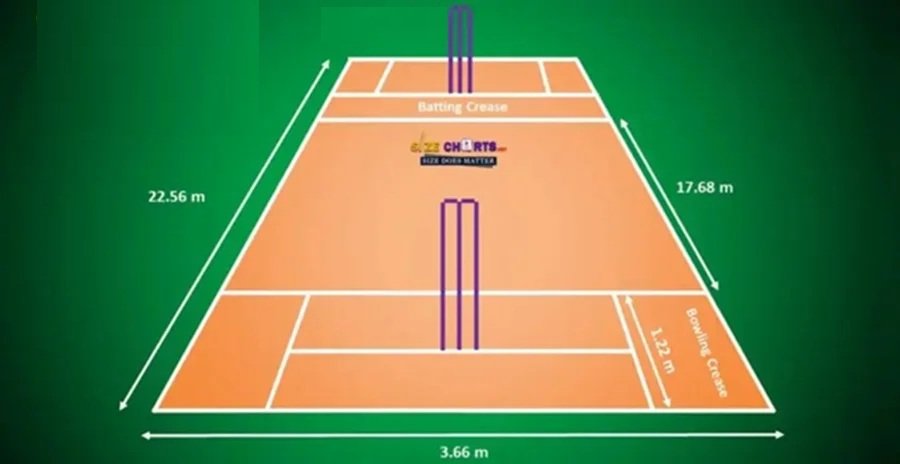
A cricket wicket consists of 3 vertical stumps located in a direct line at each end of the pitch. Two small wooden bails rest across the grooves at the top of the stumps.
The standard top ensures that the wicket remains consistent, allowing bowlers to bowl at the stumps, batters to protect their wickets, and umpires to apply dismissal decisions fairly.
The length is critical in expert cricket, club competitions, university suits, and one-of-a-kind video games finished the use of stylish tool. However, modified cricket codes for younger kids or recreational sports activities may additionally use smaller stumps to shape the game and playing environment.
Official Cricket Stump Measurements
The Laws of Cricket specify the scale of the wicket. The three stumps need to have constant dimensions and be well placed; at the same time, the bails need to sit securely on top.
Here are the key measurements associated with a standard cricket wicket.
| Cricket Equipment | Standard Measurement | Details |
|---|---|---|
| Cricket stump height | 28 inches (71.12 cm) | Measured above the playing surface |
| Total wicket width | 9 inches (22.86 cm) | Distance across the three stumps |
| Number of stumps | 3 | Two outside stumps and one middle stump |
| Number of bails | 2 | Placed across the tops of the stumps |
| Maximum bail length | 4.31 inches (10.95 cm) | Maximum overall length under the Laws |
| Maximum bail projection above stumps | 0.5 inch (1.27 cm) | Maximum height above the top of the stumps |
| Wicket location | At each end of the pitch | Two wickets are used in a standard match |
These measurements adhere to the same old wicket defined within the Laws of Cricket. For competitions using a different machine, gamers ought to check the relevant opposition rules.
Why Is Cricket Stump Height 28 Inches?
The 28-inch stump height is an established standard that enables consistency in cricket. It offers a defined purpose for bowlers at the same time as giving batters a uniform wicket to guard.
Several factors of the sport rely upon the right pinnacle of the stumps.
1. Consistency Across Matches
Standardised stump top approach game enthusiasts can compete under consistent conditions, whether or not they’re playing in a community membership in shape or a worldwide fixture. Consistent stumps, moreover, make it less complicated to prepare pitches and wickets effectively.
2. Bowling Accuracy
Bowlers frequently aim at the stumps to dismiss batters through bowled, hit wicket, and other applicable strategies of dismissal. An ordinary wicket height permits bowlers to instruct their line and period efficiently.
3. Batting Technique
Batters learn how to guard their wickets via positioning the bat efficiently, judging the ball’s line, and deciding on suitable shots. A well-known wicket allows them to develop reliable defensive techniques.
4. Wicketkeeping Practice
Wicketkeepers schooling repute at the back of the stumps, catching the ball, and dislodging the bails whilst a batter is out in their ground. Standard dimensions help amplify right positioning and timing.
5. Fair Application of Cricket Laws
The wicket’s dimensions are part of the dependable Laws of Cricket. Using the right measurements permits consistent healthful training and the software program of dismissal guidelines.
What Is the Width of Cricket Stumps?
Although stump height gets significant attention, the width of the wicket is equally important.
The universal width of a cricket wicket is 9 inches (22.86 cm). It consists of 3 stumps placed vertically subsequent to every unique, with the 2 outer stumps marking the ends of the wicket.
The stumps are organized in order that the overall width does not exceed the prescribed distance. The middle stump is positioned between the two outdoor stumps.
This width creates a target that bowlers try to hit and that batters need to shield. A nicely assembled wicket should have the stumps aligned effectively, with each bail resting in its grooves.
The width furthermore affects batting and bowling techniques. A batter needs to pick out whether or not a ball is likely to hit the wicket, while a bowler can also use variations in line, swing, seam movement, or spin to attack the stumps.
What Are Cricket Bails, and How Big Are They?
Bails are the small portions of timber positioned in the course of the tops of the three stumps. They complete the wicket and play a critical role in identifying whether or not effective dismissals have occurred.
When a bowled delivery hits the wicket and dislodges a bail, the batter may be out bowled, as per the applicable Laws. Bails are also critical in run-outs and stumpings.
The Laws specify that the general length of a stylish bail must not exceed four31 inches (10.95 cm). The bail’s ordinary top above the top of the stumps should not exceed 0. 5 inches (1.27 cm).
Bails have to sit securely within the grooves on the top of the stumps. If the wicket is assembled incorrectly, it could be extra tough to determine whether or not the wicket has been quite damaged.
In a few playing conditions, alongside aspect certain suits with strong winds, umpires may additionally decide on the bails, as accepted through the Laws and relevant opposition rules.
Cricket Stump Height in Different Formats
Cricket is played in several formats, such as Test cricket, One Day Internationals (ODIs), and Twenty20 (T20) cricket. Despite variations in playing conditions and gambling methods, the usual wicket dimensions remain identical
| Cricket Format | Standard Stump Height | Stump Width | Notes |
|---|---|---|---|
| Test cricket | 28 inches | 9 inches | Standard wicket dimensions |
| One Day International | 28 inches | 9 inches | Same standard dimensions |
| T20 international | 28 inches | 9 inches | Same standard dimensions |
| 1st-class cricket | 28 inches | 9 inches | Standard wicket dimensions |
| Club cricket | 28 inches | 9 inches | Where standard Laws apply |
| School cricket | Usually 28 inches | Usually 9 inches | Modified equipment may be used in junior competitions |
| Tennis-ball cricket | Varies | Varies | Depends on local rules and equipment |
The most important thing is that expert formats no longer use 1st-rate stump heights due to overall layout modifications. Test, ODI, and T20 cricket use the identical preferred dimensions.
However, leisure and junior cricket might also adopt smaller or lighter machinery to suit home gamers’ time, abilities, and gambling conditions.
How to Measure Cricket Stump Height Correctly
Measuring cricket stumps is easy, but it’s essential to take a look at the right approach.
Step 1: Prepare a Flat Playing Surface
Place the stumps on the intended playing surface. Ensure the wicket is located properly and the stumps are vertical.
Step 2: Insert the Stumps Correctly
Insert all three stumps into the ground so they stand securely. They need to be aligned in a straight line and spaced to create the desired traditional wicket width.
Step 3: Measure From the Ground to the Top
Use a measuring tape or ruler to measure from the playing surface to the pinnacle of the wooden stumps.
The target period is 28 inches (71.12 cm).
Step 4: Exclude the Bails
Do no longer embody the bails whilst measuring the valid stump height. The general 28-inch dimension refers to the stumps themselves, with the bails taken into consideration separately.
Step 5: Check Alignment
Confirm that the stumps are upright and the bails are resting properly in their grooves. Check the whole width of the wicket as well.
For a real match, examine the relevant opposition requirements and the umpire’s instructions.
What Materials Are Used to Make Cricket Stumps?
Traditional cricket stumps are commonly made from timber. They are designed to withstand repeated impacts from cricket balls at the same time as last suitable to be used with desired bails.
Wooden Stumps
Wooden stumps are commonplace in expert and membership cricket. They provide the conventional appearance and gambling tendencies related to the sport.
Plastic Stumps
Plastic stumps are regularly used for outdoor cricket, faculty exercise, and amusement games. They are lightweight and may be much easier to move and store
However, plastic stumps do not meet the necessities for genuine cricket competitions, so we want to take a look at whether or not their opposition permits them.
Portable Training Stumps
Portable stumps are useful for education training, indoor nets, and short cricket setups. Some have weighted bases, bendy construction, or designs that permit quick setup.
Their height and width can also vary from preferred dimensions, so they should be checked before being used in suits that require regulation systems.
How Much Do Cricket Stumps Cost?
The price of cricket stumps depends on the fabric, emblem, grade, and intended use. Basic plastic gadgets are often a good deal, much less luxurious than durable wooden gadgets designed for everyday wholesome play.
Wooden stumps with bails are appropriate for game enthusiasts who want traditional machine, on the same time as plastic gadgets can be suitable for casual play and younger gamers.
| Type of Cricket Stumps | Typical Use | Important Buying Consideration |
|---|---|---|
| Basic plastic stumps | Backyard cricket | Lightweight and affordable |
| Wooden stumps with bails | Club and practice cricket | Check dimensions and durability |
| Professional-style wooden stumps | Competitive cricket | Confirm compliance with playing regulations |
| Portable training stumps | Coaching and indoor practice | Check stability and height |
| Junior cricket stumps | Children and beginner players | Choose equipment suitable for age and competition rules |
Prices vary with the aid of provider and place, so take a look at current listings before buying. When purchasing a device for reliable fits, prioritise compliance with the applicable Laws and opposition necessities over chargcosty own.
Common Mistakes When Measuring Cricket Stumps
Players and beginners occasionally make mistakes at the same time as measuring or setting up a wicket. These mistakes may have an effect on training sessions and in-shape education.
Including the bails within the stump pinnacle: The valid stump height is 28 inches, including the bails.
Using choppy ground: A sloping or uneven surface could make measurements inaccurate.
Positioning stumps incorrectly: The three stumps want to be aligned nicely, with the general width stored in the prescribed restriction.
Using the wrong gadget in reliable fits: Recreational stumps might not meet the favored dimensions or production requirements.
Ignoring junior competition hints: Some junior competitions permit changed devices, so organisers need to confirm the relevant policies.
Frequently Asked Questions About Cricket Stump Height
1. What is the proper cricket stump height?
The standard cricket stump height is 28 inches, identical to 71.12 centimetres, measured from the playing surface to the top of the stumps and excluding the bails.
2. What is the height of cricket stumps in centimetres?
The latest top is 71.12 cm. This is the metric equivalent of28 inches.
3. Is the cricket stump height identical in Test and T20 formats?
Test cricket, ODI cricket, and T20 cricket use the same standard stump height of 28 inches and a wicket width of nine inches.
4. What is the standard width of cricket stumps?
The standard width of a cricket wicket is nine inches (22.86 cm). It includes 3 stumps prepared in a straight line.
5. How many stumps are utilized in cricket?
A standard cricket wicket consists of 3 stumps. Two bails are located all through their tops.
6. What is the maximum length of cricket bails?
Under the standard Laws of Cricket, the overall length of a bail should not exceed 4.31 inches (10.Ninety five cm).
7. Are cricket stumps wonderful for children?
They can be. Junior competitions and training programmes may moreover use smaller or lighter stumps. The permitted system relies upon the relevant opposition policies and the game enthusiasts’ age group.
8. Can plastic stumps be used in competitive cricket?
That depends on the opposition’s rules. Plastic stumps are not unusual for leisure cricket; however, reliable fits also require devices that meet unique necessities.
9. Does the 28-inch dimension include the bails?
The 28-inch dimension refers to the stumps themselves. The bails are measured one after the other and sit down above the stumps.
10. Why is the precise stump top vital?
A correct stump top maintains favoured bowling conditions, supports bowling and batting exercise, and ensures that fits look at the applicable Laws of Cricket.
Conclusion
The large cricket stump top is 28 inches (71.12 cm), measured from the playing floor to the top of the stumps, without including the bails. An elegant wicket consists of 3 stumps with a complete width of 9 inches (22.86 cm), crowned thru way of bails that meet the prescribed dimensional limits.
These measurements remain steady across Test cricket, ODIs, and T20 internationals. Recreational cricket and junior competitions also can use modified system, relying on their unique rules.
Understanding cricket stump pinnacle is useful for game enthusiasts, coaches, groundskeepers, and absolutely everyone shopping for a cricket device. By measuring the wicket successfully, checking the size of the bails, and using the use of appropriate device, you can help ensure a properly organized gambling place and a more ordinary cricket experience.